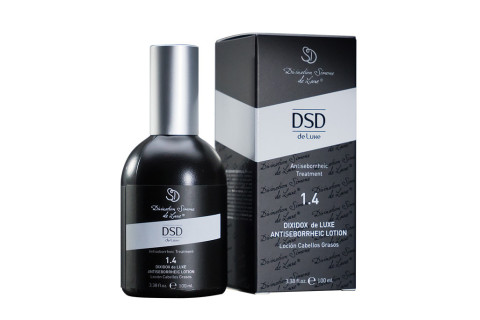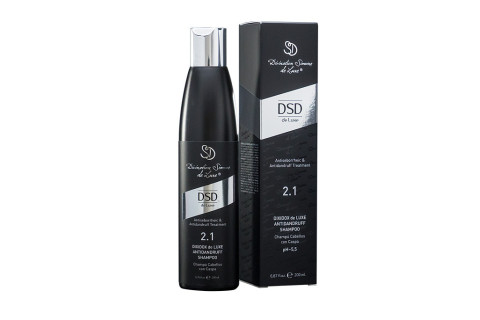



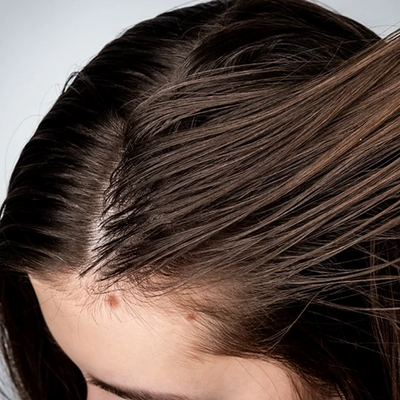
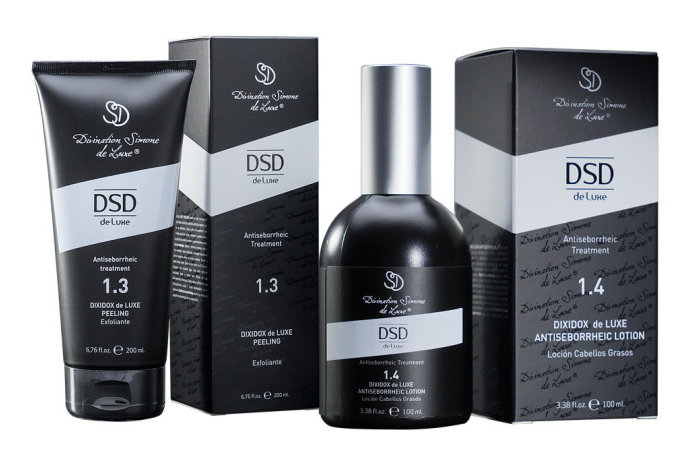
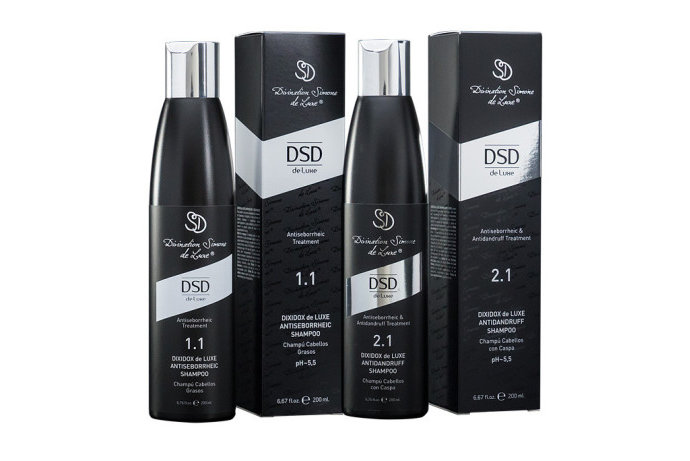
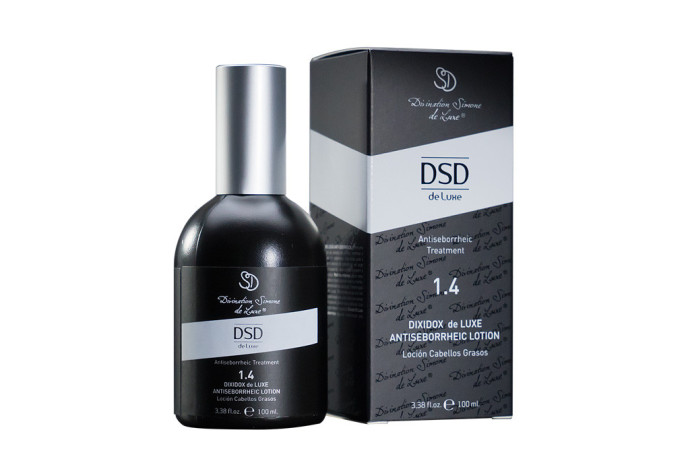
Seborrhoea is an alteration in the function of the sebaceous glands, which cause an increase in the secretion of oil that ends up excessively greasing the hair and scalp. Greasy hair takes on a shiny, sticky appearance and accumulates dirt easily.
The accumulated sebum often undergoes oxidative processes that lead to bad odour. Excess oil can accelerate hair loss.
Imbalances in the nervous system, hormonal factors, an unbalanced diet, certain drugs and highly degreasing shampoos, as well as handling the hair with the hands, brushing or environmental pollution, are among the causes of seborrhoea.
In some cases seborrhoea is closely related to pityriasis or dandruff. Pityrosporum ovale is an opportunistic fungus that degrades sebaceous triglycerides. This results in an increase in the level of free fatty acids, which are irritating and can also stimulate epidermal proliferative processes.